Chobani Lawsuit: Phthalates, False Advertising, and the Full 2026 Update
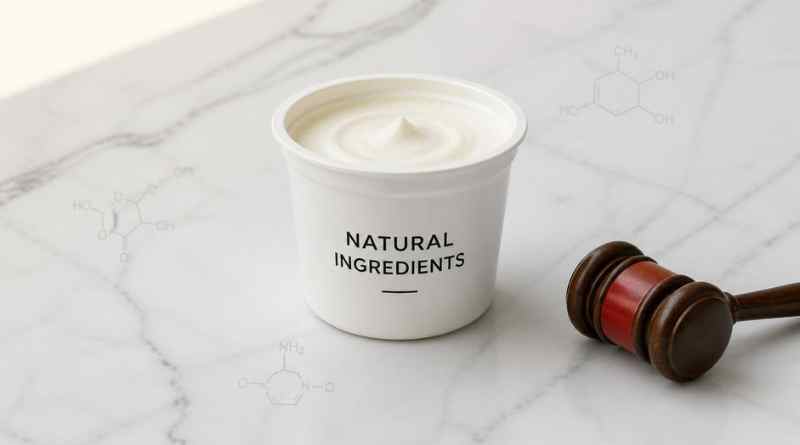
The chobani lawsuit is an active federal class action filed on April 16, 2025, alleging that Chobani LLC misled consumers by labeling its Greek yogurt products as containing “Only Natural Ingredients” while independent testing found four types of phthalates, synthetic plastic-derived chemicals, in those same products. As of June 2026, the case survived Chobani’s motion to dismiss and is proceeding in the U.S. District Court for the Southern District of California. No settlement has been reached, no claim form is open, and no recall has been issued. Here is everything documented and verified about the case from filing to present.
What Is the Chobani Lawsuit About?
The chobani lawsuit centers on claims that certain yogurt products contain toxic chemicals known as phthalates, contradicting the company’s “only natural ingredients” labeling. Filed in April 2025, this class action seeks to address potential consumer deception under California law.
The core legal argument is simple. If a product says “only natural ingredients” on the label, consumers have the right to expect it contains no synthetic plastic chemicals, regardless of whether those chemicals come from the food itself or its packaging.
Amy Wysocki, the plaintiff in the proposed class action lawsuit against Chobani, claims she bought the company’s nonfat plain Greek yogurt in 2023 after relying on its labeling that advertised “only natural ingredients.” She says she had no reason to believe the yogurt might contain unsafe levels of phthalates and expected it to be free of non-natural toxic chemicals. Wysocki would not have purchased the product, or would not have done so on the same terms, had she known the truth, the lawsuit alleges.
This is a false advertising and consumer protection case, not a product safety emergency. The lawsuit does not claim Chobani yogurt is unsafe to eat. It claims the label was not accurate and that consumers paid a premium price based on a promise that was not kept.
Case Details at a Glance
| Detail | Information |
|---|---|
| Case Name | Wysocki v. Chobani LLC |
| Case Number | 3:25-cv-00907-JES-VET |
| Court | U.S. District Court, Southern District of California |
| Filed | April 16, 2025 |
| Plaintiff | Amy Wysocki |
| Defendant | Chobani LLC |
| Products at Issue | Chobani Nonfat Plain Greek Yogurt, Chobani Whole Milk Plain Greek Yogurt, substantially similar products |
| Claims | Violation of California CLRA, UCL, False Advertising Law, breach of express warranty, unjust enrichment |
| Status as of June 2026 | Active, survived motion to dismiss |
| Settlement | None |
| Claim Form | None open |
| Recall | None issued |
The Testing That Triggered the Lawsuit
According to the complaint, testing conducted by independent research organization PlasticList found multiple plastic chemicals, including four types of phthalates, in Chobani yogurt products. The lawsuit claims these chemicals likely leached from the yogurts’ plastic containers. The four phthalates reportedly detected in testing were di-2-ethylhexyl phthalate (DEHP), diethyl phthalate (DEP), dibutyl phthalate (DBP), and di-2-ethylhexyl terephthalate (DEHT).
Wysocki’s complaint said she learned about the presence of phthalates in Chobani yogurt via PlasticList, which published an online report from an unidentified laboratory that said it identified the issue during 2024 testing.
PlasticList is an independent research group that conducted broad-based testing of consumer food products in December 2024. Their report triggered legal action against Chobani specifically because the company’s labeling made an explicit “only natural ingredients” claim. The testing alone does not establish legal liability. What matters legally is whether that labeling was misleading to a reasonable consumer, which is exactly what the court is being asked to decide.
Phthalates are not unique to Chobani’s products. Consumer Reports found in 2024 that the chemical appeared in almost every one of the dozens of food products it tested, often at high levels. This context matters for understanding the lawsuit. The issue is not uniquely about Chobani’s formula or manufacturing. It is specifically about whether Chobani’s “only natural ingredients” labeling created a false expectation that its products were free of these chemicals, regardless of how widespread phthalate contamination is across the food industry.
What Are Phthalates?
Phthalates, or “the everywhere chemical,” are chemicals used to make plastics more flexible, transparent, and durable, also known as a “plasticizer.” They are common in products like household items, personal care, and food packaging. Phthalates enter the body through eating or drinking, using cosmetics, getting an IV, or inhaling dust from products containing them.
Phthalates are regulated by the EPA as probable human carcinogens and endocrine disruptors, with studies from the National Institutes of Health linking them to reproductive harm.
The FDA currently allows the use of nine phthalates in materials that come into contact with food. No regulatory agency has confirmed the presence of phthalates in Chobani’s products at unsafe levels.
The regulatory status is important context. Phthalates in food contact materials are not banned in the United States. Their presence in food packaging is legally permitted. The lawsuit is not alleging a regulatory violation. It is alleging that a consumer who read the words “only natural ingredients” on a Chobani container would reasonably conclude the product was free of synthetic plastic-derived chemicals, and that this conclusion was wrong.
What Happened in Court: Motion to Dismiss Ruling
This is the critical development that separates accurate 2026 reporting from outdated 2025 coverage.
Chobani filed a motion to dismiss the case, and a hearing was held in August 2025. At that hearing, Chobani stated the court indicated it would dismiss the case. However, the formal written ruling told a different story.
Chobani failed to persuade the court that its product labels are not potentially misleading. The judge noted Wysocki argued a pledge the yogurt did not contain artificial flavors, sweeteners, or preservatives represents a food entirely “free of unsafe, unnatural, toxic substances, such as phthalates,” and said that although Chobani did not include the chemicals in its ingredient list, the factual questions Wysocki raised are suitable for trial, not a dismissal motion.
The court agreed to dismiss Wysocki’s claims under the state’s unfair competition and false advertising laws and the Consumers Legal Remedies Act as well as for unjust enrichment, but granted her the right to amend the complaint.
In plain terms: Chobani did not get the full dismissal it wanted. The core false labeling claims survived. Wysocki was granted the right to amend portions of the complaint that were dismissed, which means the case moves forward rather than ending.
As of June 2026, the chobani lawsuit is active and proceeding past the motion to dismiss phase.
Chobani’s Defense Position
Chobani has been consistent and direct in its public response to the lawsuit.
In a formal statement released in August 2025, Chobani denied all claims: “We stand behind the quality of our products and the transparency of our labels. This lawsuit is without merit, and we intend to defend our brand vigorously.” The company emphasized that its ingredients and advertising practices are in compliance with federal regulations.
Chobani also argued Wysocki should not be allowed to sue because she seeks to impose a stricter standard than California’s Proposition 65, which dictates product warning labels regarding cancer-causing chemicals. The court rejected this argument, noting that Wysocki’s claims were not about cancer or Prop 65 standards but about endocrine disruption, developmental harm, and whether the yogurt was genuinely all natural.
Chobani’s defense team has retained its own experts to challenge the methodology plaintiffs’ experts use to calculate class-wide damages. The battle of economic experts will be a central feature of any class certification hearing or trial.
The Full History of Chobani Lawsuits
The phthalates case is not the first time Chobani has faced legal action over its labeling. Understanding the pattern matters.
Chobani has faced multiple class action lawsuits over its labeling practices. In June 2022, Chobani faced a class action alleging it had misleadingly advertised certain products as beneficial to farm workers and animals. In July 2021, a class action alleged Chobani’s stated commitment to “Fair Trade” with dairy workers was not accurate. In January 2021, a proposed class action alleged Chobani’s claim that some Greek yogurts contain “45% Less Sugar” than other yogurts was misleading. In July 2020, a proposed class action claimed the label of Chobani “Vanilla” coffee creamer was misleading in that it failed to disclose the presence of non-vanilla flavoring.
Prior cases, such as those involving “zero sugar” claims in Franco v. Chobani LLC, were dismissed in May 2025 on federal preemption grounds.
This history shows that Chobani has successfully defended some labeling cases while others have moved forward. Each case turns on its specific facts and legal theories, which is why the phthalates case needs to be evaluated on its own merits rather than by analogy to earlier matters.
What Consumers Should Know Right Now
Is Chobani yogurt unsafe to eat? No regulatory agency has declared Chobani products unsafe. The FDA currently allows the use of nine phthalates in materials that come into contact with food. No regulatory agency has confirmed the presence of phthalates in Chobani’s products at unsafe levels.The lawsuit is about labeling accuracy, not an established health emergency.
Has Chobani issued a recall? No. There is no voluntary or mandatory recall of any Chobani product related to this lawsuit as of June 2026.
Is there a settlement I can claim? No. As of early 2026, the lawsuit remains active. There is no settlement, no claim form, and no payment schedule at this time.
Who is eligible if a settlement happens? The false advertising class action lawsuit seeks to represent all U.S. residents who purchased Chobani Nonfat Plain Greek Yogurt, Chobani Whole Milk Plain Greek Yogurt, and all substantially similar products during the applicable statute of limitations period. Final definitions would be set by the court or in a settlement notice. No action is required from consumers right now. If a class is certified and the case proceeds to a settlement, affected consumers will be notified and a claim process will open.
What should I do right now? Keep proof of any Chobani purchases you made, particularly receipts, order confirmations, or credit card statements that show the product name. If a settlement claims window opens, documentation speeds up your filing. Monitor the court docket at Case No. 3:25-cv-00907-JES-VET on PACER for official updates.
The Broader Industry Context
The chobani lawsuit is part of a documented wave of food labeling litigation. Consumer food labeling class actions increased by more than 40 percent between 2018 and 2024 according to legal industry data, reflecting growing consumer awareness of ingredient claims and increasing willingness to pursue legal accountability for misleading food marketing.
Consumer advocate organizations have been monitoring the case closely. The broader food labeling reform movement, which has pushed for clearer and more honest ingredient disclosure in food marketing, sees this case as an important test of how courts will enforce consumer protection standards against major food brands that rely on premium natural-food positioning.
The Chobani case reflects a growing trend in consumers demanding transparency from businesses, especially relating to anything that could affect their health. Some predict that the outcome of this trial could indirectly lead to stricter disclosure guidelines regarding packaging. This could also bring changes in marketing tactics to avoid consumer skepticism of ambiguous terminology like natural.
The implications extend well beyond Chobani. Any food brand that sells at a premium price based on “natural,” “clean,” or “wholesome” marketing language now faces the precedent this case may set. If courts affirm that plastic-derived chemicals leaching from packaging can render a “natural ingredients” label false and actionable, the entire clean-label food marketing industry faces a structural reckoning.
What Comes Next
The case is post-motion-to-dismiss as of June 2026. The next major procedural steps in this litigation are:
Discovery, where both sides exchange evidence, conduct depositions, and gather expert witness documentation. This phase can take one to two years in complex consumer class actions.
Class certification, where Wysocki’s legal team will argue that her case meets the requirements to represent a class of all qualifying U.S. consumers. This is typically the most contested phase of a consumer class action and the one that most heavily influences settlement negotiations.
Expert battles on damages methodology, which Chobani is already preparing for. The question of how to calculate class-wide economic harm in a price premium false advertising case is technically complex and often decides whether a case settles and for how much.
If class certification is granted, the probability of a settlement increases significantly. Most consumer class actions resolve at or after certification rather than proceeding to trial.
Final Verdict
The chobani lawsuit is real, active, and legally significant. It survived Chobani’s motion to dismiss in April 2026. No settlement exists, no recall has been issued, and no claim form is available. Consumers who purchased the identified Chobani products should document their purchases and monitor official court records for updates. The case will continue moving through the Southern District of California with the next milestone being class certification proceedings.
Disclaimer: This article is for informational purposes only and does not constitute legal advice. No attorney-client relationship is created by reading this content. All case details are sourced from publicly available federal court records, verified news sources, and official company statements. For legal guidance on participating in this or any other class action, consult a licensed attorney.