Is Mediation Legally Binding in Personal Injury Cases?
Is mediation legally binding in personal injury cases? The direct answer is: mediation itself is not legally binding, but the written settlement agreement you sign at the end of successful mediation is. Until both parties sign a written agreement, either side can walk away with no legal consequences. The moment signatures go on paper, that agreement becomes a legally enforceable contract. Understanding exactly where that line is, what happens when someone tries to back out, and when courts can overturn a signed mediation agreement is what this article covers in full.
What Mediation Actually Is in a Personal Injury Case
Mediation is a form of alternative dispute resolution, commonly called ADR, used to settle personal injury claims outside of a courtroom. A neutral third party called a mediator facilitates the discussion between the injured plaintiff, the defendant, and typically their respective attorneys and insurance representatives.
The mediator is not a judge. The mediator cannot order either party to do anything. Their role is to help both sides communicate, understand each other’s positions, and find common ground. Most mediators in personal injury cases are retired judges or attorneys with extensive experience in injury law and dispute resolution.
The process typically begins with both parties presenting their positions in a joint session. The mediator then often separates the parties into different rooms and moves between them, conveying offers, counteroffers, and perspectives. This is called a caucus format. The mediator privately explains the strengths and weaknesses of each side’s position, applying pressure to reach a number that both parties can accept.
Mediation is voluntary in most personal injury cases. However, many courts now require it before a case proceeds to trial. A judge can order mediation as a mandatory step in the litigation process. Whether court-ordered or mutually agreed upon, the same rule applies: the process itself carries no binding obligation until an agreement is signed.
The Exact Moment Mediation Becomes Legally Binding
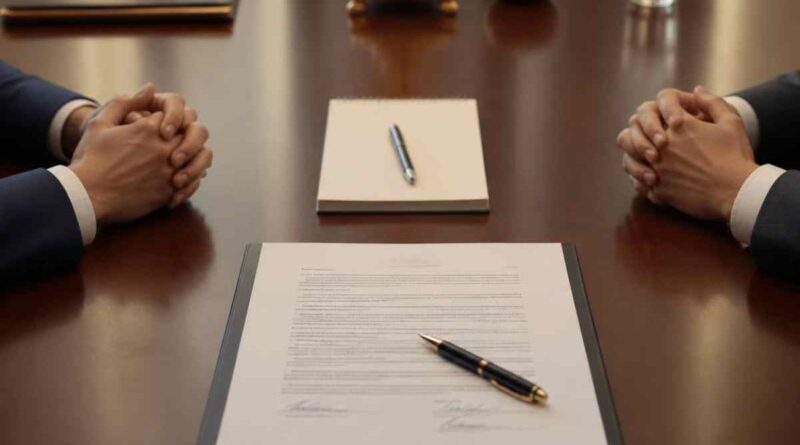
Mediation is legally binding in personal injury cases only when both sides sign a written agreement. Until then it is just talk. Once the agreement is signed, it is official. You cannot back out. You cannot change the terms unless both sides agree to do so.
This is the critical line every personal injury plaintiff must understand before entering mediation. What happens inside the room during negotiation carries no legal weight. The discussions, the numbers thrown out, the positions taken, none of it binds either party. By default, personal injury mediation is non-binding. This means that until both parties agree on a resolution and sign a written settlement agreement, neither side is legally obligated to follow the mediator’s suggestions.
Once both parties sign, the agreement functions as a contract. Once the parties agree on settlement terms and sign a written agreement, that settlement becomes legally enforceable, just like a contract. If either side later refuses to follow the agreement, the other party can ask a court to enforce it.
In states that have codified mediation statutes, the written requirement is explicit. In Virginia, for example, Virginia Code Section 8.01-581.25 requires a written contract for mediation to carry binding legal force. A verbal agreement reached during mediation, even if both parties acknowledged the terms out loud in front of a mediator, is not enforceable without that written document.
What Happens If You Reach Agreement But Don’t Sign Before Leaving
This scenario comes up more often than people expect. Mediation sessions are long, often running six to eight hours or more. Toward the end of a session, parties sometimes verbally agree on a number and on general terms, with the understanding that formal paperwork will be drafted and signed the next day or the following week.
If one party changes their mind before the written agreement is signed, there is generally no enforceable obligation. A settlement reached during mediation is only legally binding if the parties involved in the personal injury case agree to the terms, sign a contract, and file it with the court. Without a written agreement, enforcing a settlement is not possible.
This is why experienced personal injury attorneys insist on signing a formal settlement agreement, or at minimum a binding memorandum of understanding, before leaving the mediation session. A handshake understanding that dissolves overnight has cost plaintiffs and defendants alike significant time, money, and strategic position.
Can a Signed Mediation Agreement Be Overturned by a Court?
Normally, once a mediation agreement is reached, written, and signed, it is legally binding. However, there are certain instances in which the contract may be overturned.
Courts apply the same legal standards to mediation settlement agreements that they apply to any contract. That means a signed agreement can be challenged and potentially voided under the following circumstances.
Fraud or misrepresentation is the most common basis for challenging a signed mediation agreement. If one party concealed material information during mediation, such as hiding the true extent of an insurance policy, suppressing evidence of liability, or misrepresenting medical records, the injured party may have grounds to seek rescission of the agreement.
Duress or coercion is another recognized basis. If a plaintiff signed under extreme financial pressure that was deliberately manufactured by the defense, or if threats or improper conduct by the mediator or opposing counsel influenced the decision to sign, a court may find the agreement unenforceable.
Lack of mental capacity is relevant in cases involving serious brain injuries or plaintiffs with cognitive impairments. If the plaintiff was not competent to enter into a binding contract at the time of signing, the agreement may be voidable.
Mutual mistake of fact can apply when both parties operated under a shared false assumption about a material fact. If new evidence emerges shortly after signing that fundamentally changes the picture of damages or liability, courts have occasionally found grounds to reopen settlement.
These challenges are difficult to win. Courts strongly favor the finality of negotiated settlements. The evidentiary burden on the party seeking to overturn a signed mediation agreement is high. Regret, second thoughts, or a subsequent realization that a better number might have been achievable are not legally sufficient grounds to void a signed agreement.
Mediation vs. Arbitration: Understanding the Difference
Is mediation legally binding in personal injury cases at the same level as arbitration? No. This distinction matters enormously.
Arbitration is a different form of ADR in which a neutral arbitrator, or a panel of arbitrators, hears evidence from both sides and issues a decision. In binding arbitration, that decision is final and has the same legal force as a court judgment. Neither party can simply walk away. In mandatory binding arbitration, which many insurance contracts and employment agreements contain, the parties have already contractually agreed that an arbitrator’s decision will resolve disputes in place of a court.
Mediation carries no such automatic binding force. Unlike arbitrators, mediators do not have the authority to issue a binding judgment to resolve the dispute between two parties. The mediator facilitates. The arbitrator decides.
If mediation fails to produce an agreement, the next step is typically either continued negotiation, arbitration if the parties agree to it or are contractually required to pursue it, or trial. In general, mediation is seen as a better option in most personal injury cases because it grants the parties the freedom to determine the outcome of their case themselves rather than having an arbitrator determine it for them.
Is Mediation Confidential in Personal Injury Cases?
Yes. Confidentiality is one of the defining characteristics of personal injury mediation and one of its most important practical benefits. Under federal law and the mediation privilege laws of most states, communications made during mediation are inadmissible in subsequent court proceedings.
Nothing from the mediation will be used against you in trial, and the mediator does not take sides. It is a safe space to try and find common ground. So even if you walk away without a signed agreement, you are not out of options. You still have a full set of legal rights and can keep pushing forward.
This confidentiality protection is what makes mediation useful as a strategy. Both parties can speak frankly about their case’s weaknesses, explore settlement numbers, and test the other side’s resolve without fear that those statements will be used against them if mediation fails and the case proceeds to trial. A plaintiff who admits during mediation that their damages are softer than claimed cannot have that admission read to a jury. A defense attorney who acknowledges liability during a private caucus has not made a judicial admission.
This protection does not extend to fraud committed during mediation. If a party presents forged documents, fabricated medical records, or other fraudulent evidence during mediation, that fraud is not protected by the mediation privilege.
When Courts Order Mandatory Mediation
A significant number of personal injury cases now reach mediation not because the parties chose it but because a judge ordered it. Courts often encourage mediation because it saves time, reduces legal costs, and allows both sides to control the outcome.
Court-ordered mediation operates under the same rules as voluntary mediation with one practical difference: both parties must show up and participate in good faith. A party that attends court-ordered mediation and refuses to engage, stonewalls, or makes bad faith offers may face sanctions from the court. However, neither party can be ordered to settle. Good faith participation does not mean an obligation to reach agreement.
If court-ordered mediation fails, the case proceeds to trial on its original schedule. The failed mediation does not prejudice either party’s trial position, and the confidentiality rules continue to protect everything that was said during the session.
Strategic Considerations Before Entering Mediation
Is mediation legally binding in personal injury cases enough to make preparation critical? Absolutely. Because a signed mediation agreement is final and difficult to undo, entering the room unprepared is a serious mistake.
Know your case value before you go in. Your attorney should have calculated a realistic damages range based on medical costs, lost wages, future care needs, pain and suffering, and comparable verdicts in your jurisdiction. Mediation without a firm anchor number is how plaintiffs get talked into accepting less than their case is worth.
Understand what the defendant knows about your weaknesses. The defense will use mediation to pressure you on the soft spots in your case. If your liability facts are disputed, if there is comparative fault, if your medical treatment has gaps, expect the mediator to deliver that message from the other room. Prepare your response in advance.
Do not sign anything under time pressure. The end of a long mediation session, when everyone is tired and the mediator is pushing hard for closure, is the moment when bad settlements get signed. If you are not comfortable with the number, you have the right to leave without signing. The case does not end because mediation did not produce a settlement that day.
Bring your full medical documentation. The value of your personal injury claim lives in your medical records. A mediator working with incomplete records cannot accurately frame your damages to the defense. Complete documentation shifts the conversation from speculation to documented fact.
What Happens After a Mediation Agreement Is Signed
Once a written settlement agreement is signed by both parties, the personal injury lawsuit is effectively resolved. The agreement will typically specify the settlement amount, the release of all claims related to the incident, a confidentiality clause in many cases, and the timeline for payment.
The plaintiff’s attorney will then file a notice of settlement with the court, and the case will be dismissed. The defendant or their insurer will issue payment within the timeframe specified in the agreement, typically 30 to 60 days.
If the defendant fails to pay within the agreed timeframe, the plaintiff can return to court and file a motion to enforce the settlement agreement. Because the signed agreement functions as a contract, the court can enter judgment against the defendant for the unpaid amount and the plaintiff can pursue collection through standard enforcement mechanisms.
Frequently Asked Questions
Is mediation legally binding in personal injury cases before a settlement agreement is signed?
No. The mediation process itself carries no binding legal obligation. Either party can walk away from the negotiation at any point before a written agreement is signed without legal consequences.
What makes a mediation settlement legally binding?
Both parties must agree to specific terms and sign a written settlement agreement. In most states, verbal agreements reached during mediation are not enforceable. The written document is what creates the legally binding contract.
Can you back out of a mediation agreement after signing?
Generally no. A signed mediation settlement agreement is a binding contract and is very difficult to void. Courts will only overturn a signed mediation agreement in cases involving fraud, duress, lack of mental capacity, or mutual mistake of fact. Regret or a better offer from the defendant afterward are not sufficient grounds.
What is the difference between mediation and arbitration?
Mediation is a facilitated negotiation where a neutral mediator helps both sides reach a voluntary agreement. The mediator cannot impose a decision. Arbitration is an adjudication process where a neutral arbitrator hears evidence and issues a binding decision. Binding arbitration results are enforceable like court judgments.
Is what you say during mediation confidential?
Yes. Communications made during personal injury mediation are protected by the mediation privilege under both federal law and most state statutes. Nothing said during mediation can be used as evidence in a subsequent trial if mediation fails.
Do you need an attorney for personal injury mediation?
You are not legally required to have an attorney, but it is strongly advisable. The defense and their insurer will have experienced legal representation at the table. Walking into mediation without an attorney, without a calculated damages figure, and without knowledge of your case’s strengths and weaknesses puts you at a significant disadvantage.
Final Word
Is mediation legally binding in personal injury cases? The process is not. The signed agreement is. That single distinction defines everything you need to know before entering a mediation session.
Mediation gives you something a trial cannot: control over the outcome. A jury can return zero. A jury can return ten times what you expected. Mediation puts a number on the table that you can evaluate and accept or reject. That power comes with responsibility. Before you sign anything, know what your case is worth, understand what you are releasing, and make sure the number reflects the real cost of your injury. Once you sign, the case is closed. Make sure you are ready for that to be true.
Note: This article is for general informational purposes only and does not constitute legal advice. Personal injury laws vary by state. Consult a licensed personal injury attorney in your jurisdiction for guidance specific to your situation.