
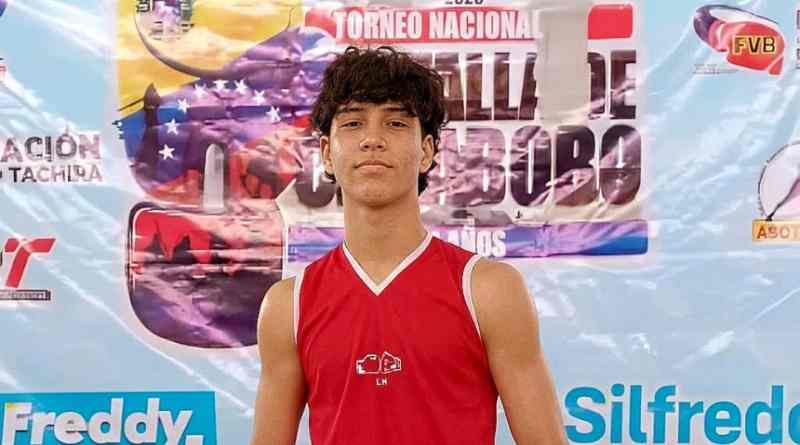
Jesus Daniel Bastidas Pereira: Venezuelan Boxing Prospect From Portuguesa State
Jesus daniel bastidas pereira is a young Venezuelan amateur boxer from Araure, Portuguesa state, who earned a silver medal at the Francisco “Morochito” Rodriguez National Boxing Championship and secured a call-up to Venezuela’s senior national boxing team in 2025, making him one of the most promising combat sports talents in the country’s plains region.
Who Is Jesus Daniel Bastidas Pereira?
Most boxing careers begin quietly. No headlines. No sponsors. Just a kid, a gym, and a coach who sees something worth developing. That is exactly where Jesus daniel bastidas pereira started. Born around 2006 to 2007 in Fundabarrios, a working-class neighborhood in Araure, Portuguesa state, he has gone from local fights to national recognition in a remarkably short period.
What makes his story worth telling is not just the medals. It is the conditions under which those medals were earned. Araure is an agricultural city near Acarigua in the heart of Venezuela’s llanos, the vast plains region known more for crops and cattle than for sporting infrastructure. Resources are limited. Opportunities to travel and compete are hard to come by. Yet by age 18, Bastidas had competed in at least four national tournaments, reached the podium at one of Venezuela’s most prestigious boxing championships, and earned selection to the country’s senior national team.
That is not luck. That is what discipline and a serious family commitment to the sport looks like in practice.
Quick Facts: Jesus Daniel Bastidas Pereira
| Detail | Information |
|---|---|
| Full Name | Jesus Daniel Bastidas Pereira |
| Birth Year | Approximately 2006 to 2007 |
| Age (2026) | Around 18 to 19 years old |
| Nationality | Venezuelan |
| Hometown | Araure, Portuguesa State, Venezuela |
| Neighborhood | Fundabarrios |
| Sport | Amateur Boxing |
| Weight Class | Men’s minus 60 kg |
| Training Gym | El Ruso Boxing Gym, Araure |
| Coach | Jesus Bastidas (Father) |
| National Team | Venezuela Senior Boxing Team (2025) |
| Major Achievement | Silver Medal, Morochito Rodriguez Championship |
| Tournament Appearance | Batalla de Carabobo, San Cristobal (2025) |
| Inspiration | Saul “Canelo” Alvarez |
| Known For | Discipline, humility, community pride |
Early Life in Fundabarrios, Araure
Araure sits in Portuguesa state, one of Venezuela’s most productive agricultural regions. It is a city of working families, strong community bonds, and modest means. The neighborhood of Fundabarrios, where Jesus daniel bastidas pereira grew up, reflects that character. It is not a place that produces athletes through expensive academies or elite youth programs. It produces them through repetition, sacrifice, and the kind of local mentorship that keeps young people focused when everything else around them is uncertain.
Bastidas grew up with boxing not as a career plan, but as a daily practice passed down within his own family. His father, also named Jesus Bastidas, is the head coach at the El Ruso Boxing Gym in Araure. Training at that gym from a young age meant Bastidas had direct, constant access to technical guidance and competitive preparation that most youth boxers in similar communities simply never get.
That combination, a dedicated family coach, a structured local gym environment, and a neighborhood that values resilience, gave him a foundation that has held up under national-level pressure.
Training Under His Father at El Ruso Gym
The relationship between a boxer and his trainer is one of the most consequential in sport. When the trainer is also the father, that dynamic takes on additional layers of accountability, expectation, and trust. Jesus Bastidas the coach did not enter his son into competition before the fundamentals were solid. He built the fighter first.
El Ruso Boxing Gym in Araure is known locally for doing exactly this: producing technically sound, mentally grounded fighters rather than rushing young talent into the spotlight. Local sports official Rebeca Cuello has publicly recognized the gym’s role in instilling not just boxing skills but genuine values in the athletes it develops.
For Jesus daniel bastidas pereira, this environment meant learning the sport the right way. The work done in Araure before anyone outside Portuguesa state knew his name is what made the national results possible.
Breakthrough at the Morochito Rodriguez Championship
The Francisco “Morochito” Rodriguez National Boxing Championship is not just another tournament on the Venezuelan amateur circuit. It is named after the man who made Venezuelan boxing history at the 1968 Mexico City Olympics, where Francisco Rodriguez won the country’s first ever Olympic gold medal in the light flyweight division, finishing with a legendary amateur record of 266 wins against only 4 losses. The championship held in his name carries real weight in the Venezuelan boxing community.
Bastidas competed in this prestigious tournament in 2025 in Cumana, Sucre state, the same coastal city where Morochito himself was born. He reached the final and earned the silver medal. At roughly 18 years old, fighting the best young amateurs in the country on a national stage, a podium finish in this specific competition carries serious significance.
During the tournament he was referred to in sports media as “el llanero,” a reference to his plains-region roots that also carries a cultural weight of toughness and resilience in Venezuelan identity. After his performance he told reporters: “Debo seguir entrenando fuerte. Para todo atleta el orgullo mas grande es representar a su pais.” Translated directly: “I must keep training hard. For every athlete the greatest pride is to represent their country.”
That is not the language of someone chasing fame. That is an athlete who understands what the work is for.
Call-Up to Venezuela’s Senior National Boxing Team
Following his silver medal performance, Jesus daniel bastidas pereira received the most significant recognition of his young career: a formal call-up to Venezuela’s senior national boxing team in April 2025. This is not a youth squad. It is the senior team, the group that represents the country at international competitions including Pan American Games, World Championships, and Olympic qualification events.
Being selected at 18, before completing a full cycle of national competition, signals that Venezuela’s coaching staff sees in him not just current ability but long-term potential at the international level. The senior team operates at a different standard than domestic tournaments. It demands tactical maturity, physical conditioning, and the mental composure to perform under the kind of pressure that eliminates most young fighters who try to make that jump too early.
The fact that Bastidas received that call tells you everything about how his 2025 national championship performance was evaluated by the people running Venezuelan amateur boxing.
Batalla de Carabobo Tournament Performance
In July 2025, Bastidas traveled to San Cristobal to represent Portuguesa state at the Batalla de Carabobo Boxing Tournament, one of Venezuela’s major national competitions. He competed in the men’s minus 60 kg division.
He reached the semifinals, where he faced Mauwel Solarte of Carabobo. The decision went against him 5 to 0. That result needs context. Carabobo is one of Venezuela’s historically strongest boxing states, producing fighters who compete at the highest domestic and international levels. Reaching the semifinal at a major national tournament and facing that level of competition without it being a walkover demonstrates competitive standing that reflects real development, not just potential.
Semifinal finishes at major national events are exactly the kind of results that keep a fighter on the national team radar.
Career Milestone Summary
| Year | Achievement |
|---|---|
| By 2025 | Competed in at least four national boxing tournaments |
| April 2025 | Called up to Venezuela’s senior national boxing team |
| 2025 | Silver medal, Francisco Morochito Rodriguez National Championship, Cumana |
| July 2025 | Semifinalist, Batalla de Carabobo Tournament, San Cristobal, minus 60 kg division |
What Venezuelan Amateur Boxing Looks Like in 2025 and 2026
To appreciate the significance of what Jesus daniel bastidas pereira has accomplished, it helps to understand the landscape he is competing in. Venezuelan amateur boxing has a genuine international pedigree. The country produced Morochito Rodriguez, the 1968 Olympic gold medalist. More recently, Yoel Finol won a silver medal at the 2016 Rio Olympics. The sport has deep roots across Venezuelan states, and the domestic competition system is structured to identify and develop fighters for international stages including the Pan American Games and Olympic Games.
At the minus 60 kg category, the competition is dense. Venezuela has historically been strong in lighter weight classes, and the pool of fighters competing for national team spots is experienced and technically developed. For a teenager from Portuguesa state to earn a silver medal at the Morochito championship and break into the senior national team within the same year represents a genuine achievement within a competitive and historically significant boxing program.
The Portuguesa State Boxing Context
Portuguesa state is not typically considered a boxing powerhouse compared to states like Carabobo, Sucre, or the Capital District. That makes what Bastidas has done even more notable. Fighters from smaller boxing states have to be exceptional just to get noticed at the national level. The infrastructure, competition volume, and coaching access in major Venezuelan boxing centers exceeds what smaller states can offer.
Bastidas trained through those disadvantages. His silver medal and national team call-up show that El Ruso Gym in Araure is producing fighters capable of competing with athletes from states that have far more resources and structural support behind their boxing programs.
That is the kind of result that puts a gym, a coach, and a city on the Venezuelan boxing map.
Personal Values and Community Meaning
Sport in Venezuela carries weight beyond the competition itself. For communities like Fundabarrios in Araure, young athletes who succeed at the national level become sources of genuine local pride and tangible proof that achievement is possible regardless of economic conditions.
Jesus daniel bastidas pereira understands this dimension of his career. He has spoken about national representation as the highest honor available to an athlete. His character, described by people close to the situation as humble and disciplined, reflects the values the El Ruso Gym explicitly prioritizes. Rebeca Cuello’s public praise of the gym specifically highlighted “amor y valores,” love and values, as the foundation of what the gym builds in its fighters.
That reputation matters. Athletes who combine technical development with genuine character tend to sustain longer careers and hold up better under the pressure of national and international competition.
Saul Canelo Alvarez as Inspiration
Bastidas has cited Saul “Canelo” Alvarez as his sporting hero. The choice is telling. Canelo did not come from a privileged background. He came from a large family in Guadalajara, Mexico, started boxing young under family guidance, and built one of the most decorated professional careers in recent boxing history through relentless work rather than early hype.
The parallel between that story and Bastidas’s own starting conditions is not accidental. A young Venezuelan boxer from a working-class neighborhood, trained by his father, developing through local gyms before earning national recognition, choosing the fighter who represents that same trajectory as his model for what is possible.
What Comes Next
The path from where Jesus daniel bastidas pereira stands right now to international competition at the Pan American or Olympic level is a real one, not a fantasy. Venezuela’s national team competes in continental and world amateur championships. Fighters who establish themselves in the senior national setup gain access to centralized training, international bouts, and the competitive experience that accelerates development faster than any domestic circuit can.
His immediate challenges are straightforward. He needs to continue winning at the national level, develop his minus 60 kg game against increasingly experienced opponents, and stay healthy through a period of rapid physical and technical growth. The combination of a father-coach who knows his game completely, a gym that builds character alongside skill, and a demonstrated ability to perform under national pressure gives him a realistic foundation to build on.
Frequently Asked Questions About Jesus Daniel Bastidas Pereira
Where is Jesus Daniel Bastidas Pereira from? He is from Fundabarrios, a neighborhood in Araure, Portuguesa state, Venezuela.
What sport does Jesus Daniel Bastidas Pereira compete in? He competes in amateur boxing at the minus 60 kg weight class.
What is his biggest achievement so far? His silver medal at the Francisco “Morochito” Rodriguez National Boxing Championship in Cumana, Sucre state, and his selection to Venezuela’s senior national boxing team in April 2025.
Who trained Jesus Daniel Bastidas Pereira? His father, Jesus Bastidas, who is the head coach at El Ruso Boxing Gym in Araure.
Has he represented Venezuela internationally? He was called up to the senior national team in 2025, which is the entry point for international competition. Specific international event appearances from 2026 have not been confirmed in public records.
Who is his boxing inspiration? He has cited Saul “Canelo” Alvarez as his primary sporting hero.
Final Word
The profile behind jesus daniel bastidas pereira is built on verified national competition results, a documented family boxing background, and a clear developmental trajectory within Venezuela’s serious amateur boxing structure. He is not an internet story built on speculation. He is a teenager who earned a national podium finish and a senior team call-up in the same year, competing under his own name in public tournament records.
In a country with genuine Olympic boxing history, that level of early achievement deserves to be documented accurately and taken seriously. Where his career goes from here depends on discipline, opportunity, and continued development. But the foundation is real, and it was built the right way from the start.